We have so many artificial systems available today to improve our living spaces. We install heavy air conditioners and massive heaters, hoping to create a suitable indoor environment, but those constantly rising electricity bills still cause genuine concern. Most of us really just want something that naturally provides a comfortable and warming environment without forcing us to spend a huge amount of money every single month.
Looking closely at structural upgrades might be the smartest path forward. Exploring various affordable materials for home insulation in Melbourne often presents a highly practical solution to this modern problem. The proper thermal barriers can quietly regulate temperatures, and initial costs are surprisingly affordable.
Today, more than ever, there seem to be ways to reduce our dependency on artificial climate control. It essentially allows the property itself to do the heavy lifting over the years. Upgrading these hidden components fundamentally shifts how a building interacts with the erratic weather outside. You just need to know which specific material options provide the best financial value for your particular climate zone.
Upgrading the Upper Levels
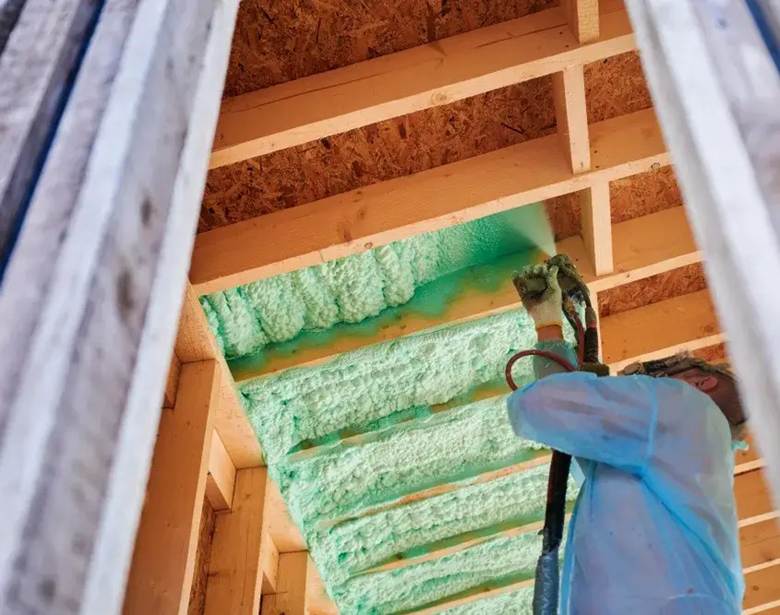
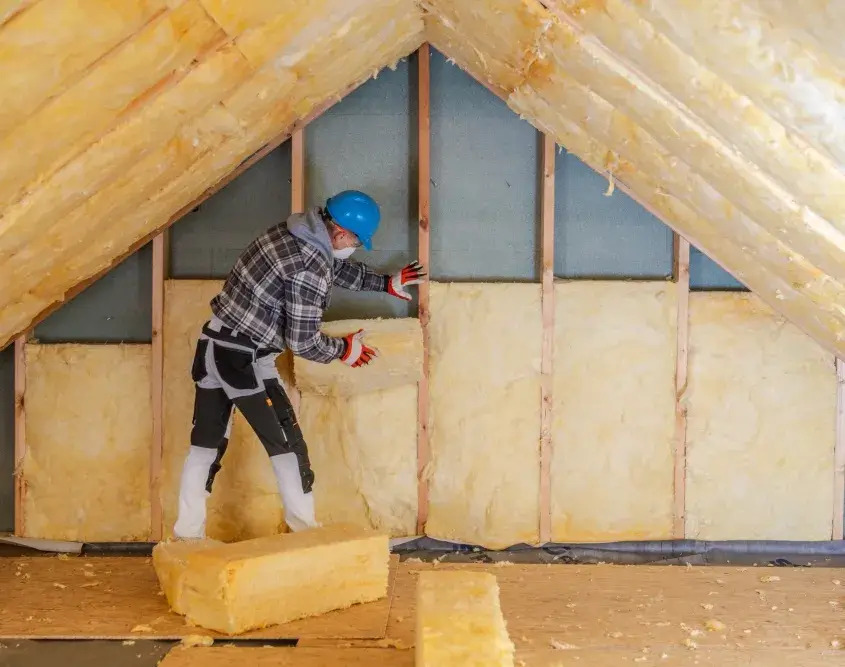
The space directly beneath your roof is usually where the most significant temperature exchange happens day after day. Effective overhead barriers are essential because this ceiling area acts as the primary point for heat loss during winter and heat gain throughout summer. You do not always need to purchase the absolute most expensive products to see a massive difference in daily comfort. Quality batts come in a wide variety of thermal resistance ratings, which the industry calls R-values.
This specific metric essentially measures how well the chosen product actively resists heat flow. These overhead ratings typically range from R3.5 right up to premium high-performance R8.0 options. A simple structural upgrade using something like a standard R-4.1 product might only cost between sixty-nine and ninety dollars, making it an incredibly affordable initial investment. Choosing these cost-effective ceiling options is a brilliant way to make your home more energy efficient over the coming decades. You essentially block the main escape route for your expensive indoor heating. It feels quite satisfying to secure this upper boundary without completely draining your renovation budget.
Securing Walls and Subfloors
Addressing the vertical spaces around your rooms is another highly practical step for any household. High-quality wall batts create a reliable thermal boundary that actively keeps living areas much warmer in July and noticeably cooler during January. You might explore different product densities depending on the physical depth of your timber framework. Standard wall options range from basic R2.0 to higher ratings like R2.7 and R4.0.
There are highly affordable wall choices available that cost roughly forty-two to fifty-eight dollars, depending on the exact specifications required. The space directly under your feet is another crucial area that people completely overlook. Installing durable subfloor batts significantly stops warmth from escaping straight into the cold ground below. This underfloor addition creates a truly optimised thermal shell around your family. It seems that combining both wall and floor barriers offers a comprehensive approach to natural climate control without ever relying on costly machinery.
Protective Wraps and Specialised Densities
Sometimes your house needs materials that actively work rather than just sitting hidden inside a timber wall. Adding protective outer layers makes a massive difference as the seasons shift every year. You put wall wrap right under the exterior boards to stop unwanted drafts and dampness while still letting the building breathe safely. Foil wrap does something else entirely. It basically bounces the hot sun right off your house. This proves incredibly handy during intense summer days. Combining these outer wraps with normal batts gives you serious everyday temperature control.
If your internal cavities are narrower, then you might also want to look at high-density products. High-density options have a better thermal resistance in tight spaces and also provide better noise reduction. Working with experienced insulation suppliers in Melbourne is essential to help you navigate these highly specialised products. They can also help you figure out the best combination of standard batts and reflective wraps for your architectural design requirements.
Many modern sustainable products actually rely on recycled elements and skip harmful chemicals completely. This naturally keeps your house safe. You might also explore premium acoustic batts. These specifically muffle noise transferring between internal rooms or multiple floors.
Conclusion:
Controlling your indoor climate naturally without expensive machinery is quite an achievable goal. Looking closely at budget-friendly materials like standard roof batts or reflective foil wraps proves that genuine everyday comfort remains highly affordable. Practical options exist to cover your entire property. You can install effective thermal barriers from the highest roof cavity right down into the hidden subfloor. Choosing proper structural upgrades creates a direct path toward permanently lowering those massive monthly utility bills. Your house eventually becomes a retreat that basically manages its own temperature organically.